
Top Rated Supplies for Acoustic Ceiling Tile Installation Success
Browse high-quality products designed to optimize your acoustic ceiling projects with durability and ease of use.
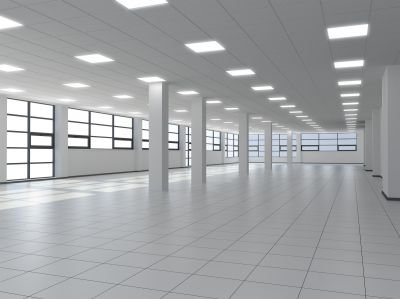 Acoustic ceiling tile installations are an essential component in many interior spaces, offering both aesthetic appeal and functional sound absorption. These systems are designed to improve room acoustics by reducing echo and noise transmission, creating a more comfortable environment for work, learning, or relaxation. The selection of appropriate products plays a vital role in achieving optimal acoustic performance and visual harmony within a space.
Top Overall Option
Acoustic Ceiling Tile System
A versatile acoustic ceiling tile system that offers a range of tile styles, grid configurations, and installation options to suit various interior spaces. Designed for ease of installation and maintenance, it provides effective sound absorption while allowing for customization and easy access for repairs or upgrades.
Types of Products For Acoustic Ceiling Tile Installations
Drop Ceiling Tiles
Suspended tiles that drop into a grid system, ideal for retrofit projects and spaces needing easy access to utilities.
Mineral Fiber Tiles
Made from mineral-based materials, these tiles offer high sound absorption and fire resistance.
Fiberglass Acoustic Tiles
Lightweight tiles with excellent sound absorption properties, suitable for various interior settings.
Metal Ceiling Tiles
Durable tiles that add a modern aesthetic, often used in commercial or industrial environments.
PVC Ceiling Tiles
Plastic tiles that are moisture-resistant and easy to clean, suitable for humid environments.
Fabric Wrapped Tiles
Acoustic tiles covered with fabric for enhanced aesthetics and sound absorption.
Wood Grain Tiles
Tiles with wood-like finishes that add warmth and style to interior spaces.
Perforated Metal Panels
Decorative perforated panels that combine acoustic performance with design flexibility.
Modular Grid Systems
Frameworks that allow for flexible arrangement and easy replacement of tiles.
Suspension Wires and Cables
Support components essential for installing suspended ceiling systems securely.
Acoustic Sealants
Sealants used to improve soundproofing by filling gaps and joints in ceiling installations.
Access Panels
Panels that provide easy access to utilities and wiring behind the ceiling tiles.
Lighting Integration Kits
Components designed to incorporate lighting fixtures seamlessly into ceiling systems.
Edge Molding and Trims
Finishings that provide a clean transition between ceiling tiles and walls.
Sound Absorbing Panels
Additional panels for targeted sound absorption in specific areas.
Popular Choices
Widely used for their sound absorption and fire-resistant qualities, suitable for commercial spaces.
Known for lightweight design and effective noise reduction, common in offices and auditoriums.
A flexible and accessible option favored in many renovation projects for their ease of installation.
Chosen for their durability and modern aesthetic, often used in commercial interiors.
Resistant to moisture and stains, popular in humid environments like kitchens and bathrooms.
Offering a customizable appearance with acoustic benefits, favored in hospitality and retail spaces.
Flexible frameworks that support various tile styles and facilitate maintenance.
Essential for secure installation of suspended ceilings, widely used in commercial settings.
Used to enhance soundproofing, especially in multi-room or multi-use environments.
Facilitate easy access to utilities behind ceilings, commonly selected for maintenance ease.
Allow seamless incorporation of lighting fixtures into ceiling designs, popular in commercial spaces.
When considering products for acoustic ceiling tile installations, it is important to evaluate factors such as sound absorption coefficients, ease of installation, durability, and compatibility with existing ceiling frameworks. Many options are available, ranging from traditional suspended ceiling tiles to modular grid systems that facilitate easy maintenance and customization. Proper planning and understanding of the space’s acoustic needs can help in choosing the right combination of tiles, grid components, and accessories.
Installation methods vary depending on the type of ceiling system chosen. Some products are designed for straightforward drop-in installation, suitable for retrofit projects or spaces requiring minimal disruption. Others may require more involved setup but offer enhanced acoustic performance and design flexibility. Accessories like suspension wires, moldings, and acoustic sealants further ensure a seamless and effective installation process.
Durability and maintenance are also key considerations. Many acoustic tiles are crafted from materials that resist sagging, moisture, and staining, ensuring they maintain their appearance and functionality over time. Additionally, selecting products with easy-to-clean surfaces can simplify ongoing maintenance, especially in high-traffic or commercial environments. Overall, understanding the variety of available products and their specific features can help create an acoustic ceiling system that meets both aesthetic and functional goals.
Key Buying Considerations
- Acoustic performance and noise reduction capabilities
- Material durability and resistance to moisture or staining
- Ease of installation and compatibility with existing ceiling frameworks
- Aesthetic appeal and available finishes
- Fire resistance and safety standards compliance
- Maintenance requirements and ease of cleaning
- Compatibility with lighting, ventilation, and other utilities
- Weight of tiles and support system load capacity
- Cost and availability of replacement tiles or components
- Environmental conditions of the space, such as humidity or temperature
- Accessibility for repairs or upgrades
- Soundproofing needs for specific areas
- Design flexibility and customization options
- Compatibility with existing interior design themes
- Availability of accessories like moldings, trims, and sealants